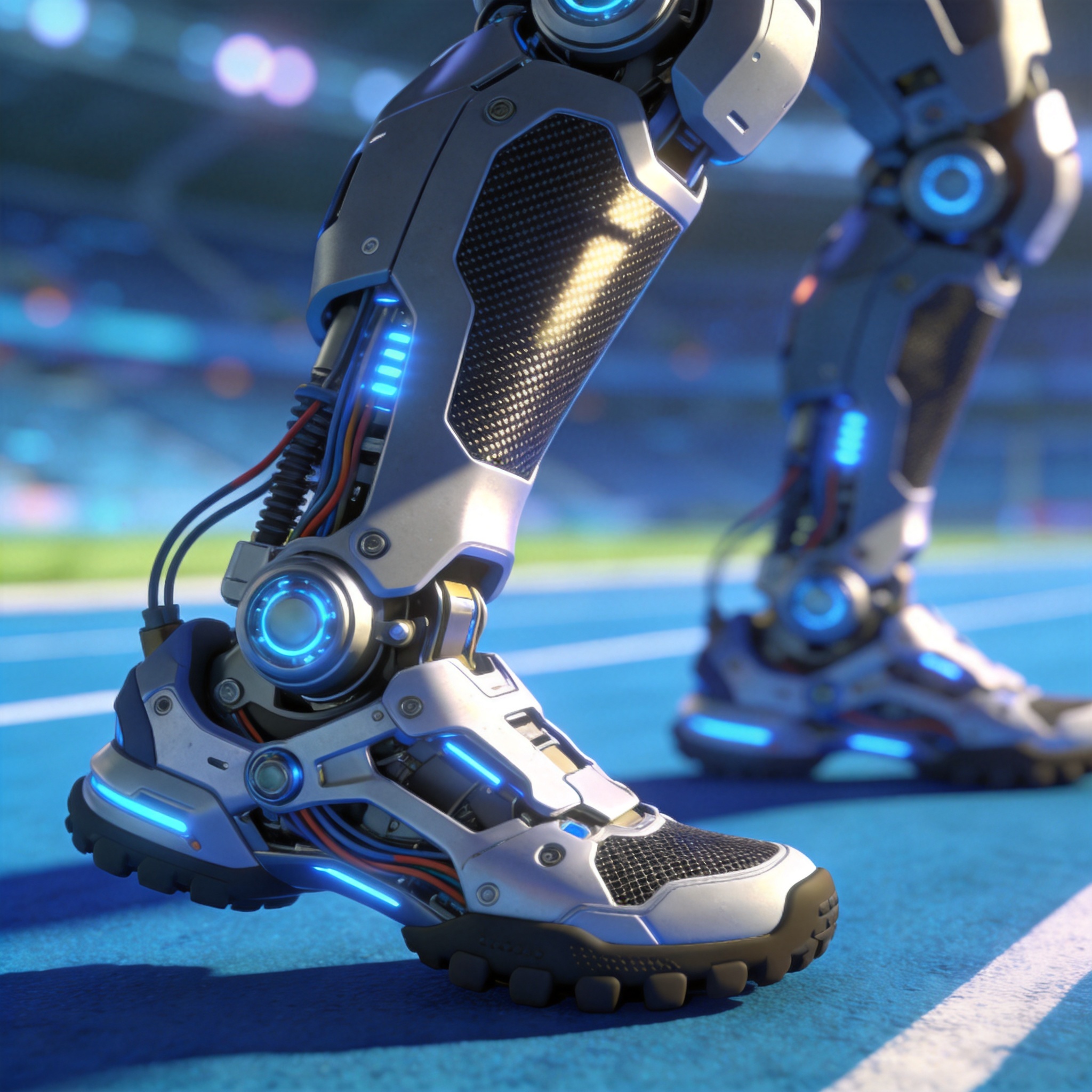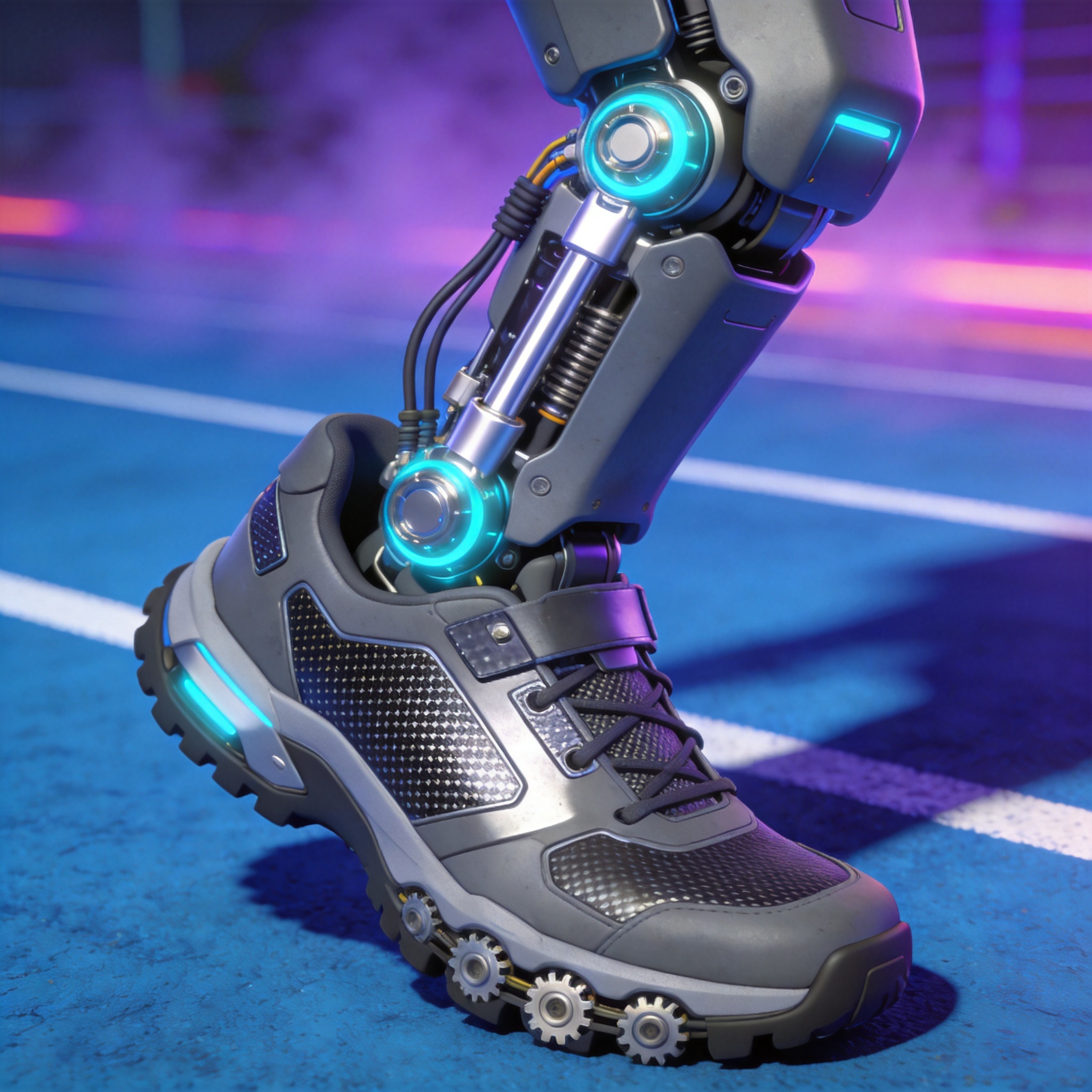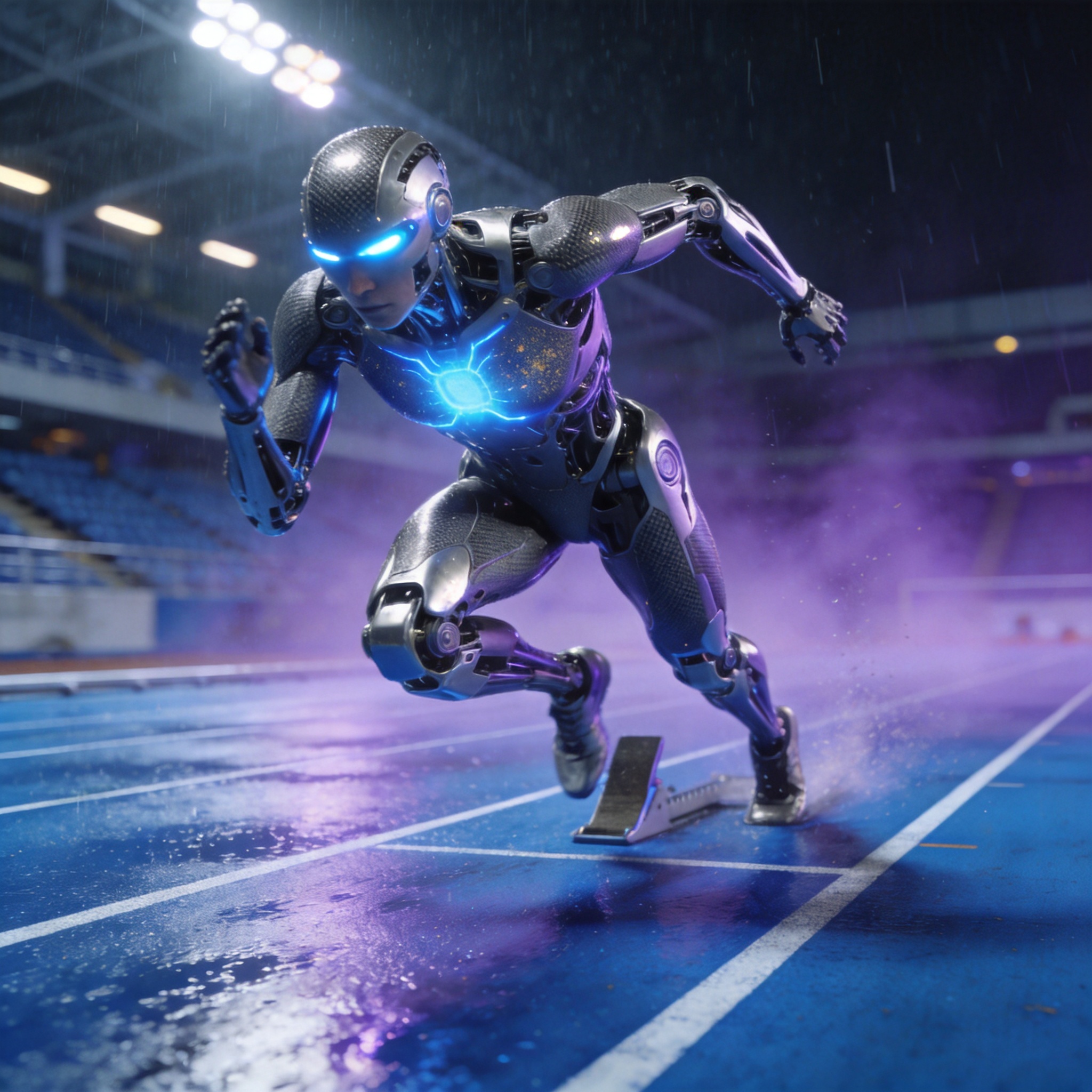
Just years ago they could barely stand. At the World Humanoid Robot Games in Beijing, humanoid robots already hit the track at 38 km/h, traded punches in the kickboxing ring, and launched 7.97 meters in the long jump. Relive every breathtaking heat — watch the real race replays and feel the speed of progress.
This is how fast it happened: in just a few years, humanoid robots went from barely walking to sprinting on a competition track. Tap the speaker to enable sound, or expand to fullscreen.
Relived the race? Register your email to enter the mini-robot draw and get first access to the 2027 Games.
Three years ago they fell on flat ground. This year in Beijing they sprinted, boxed and flew.
Robot sprinters hit 38 km/h and raced the 100 meters in under 10 seconds. In 2024 they were still learning to run without falling — the curve of progress is almost vertical.
In the kickboxing ring, robots threw hooks and leg kicks, absorbed impact, and got back up within the 10-count — balance and reflexes that looked impossible just a year ago.
Humanoid long jumpers exploded off the board and cleared nearly 8 meters, sticking the landing on two feet. Each year they jump further than anyone predicted.
The answer to "how did robots get this good this fast" is in the hardware: 4,127 precision components responding in under 0.02 seconds — a silicon body built to run, to box and to fly.
01 / LEG ASSEMBLY
02 / FOOT & ANKLE